STI Advocacy in Kenya
In Kenya STIs remain widespread, yet limited diagnostics, reliance on syndromic management, stigma and weak policy attention allow many infections to go undetected, fueling HIV transmission and harming reproductive and maternal health outcomes.
- 39% of men (ages 15–64) reported an STI diagnosis in the previous year
- 29% of women (ages 15–64) reported an STI diagnosis in the previous year
- Up to 1/4 of curable bacterial STIs are among key populations
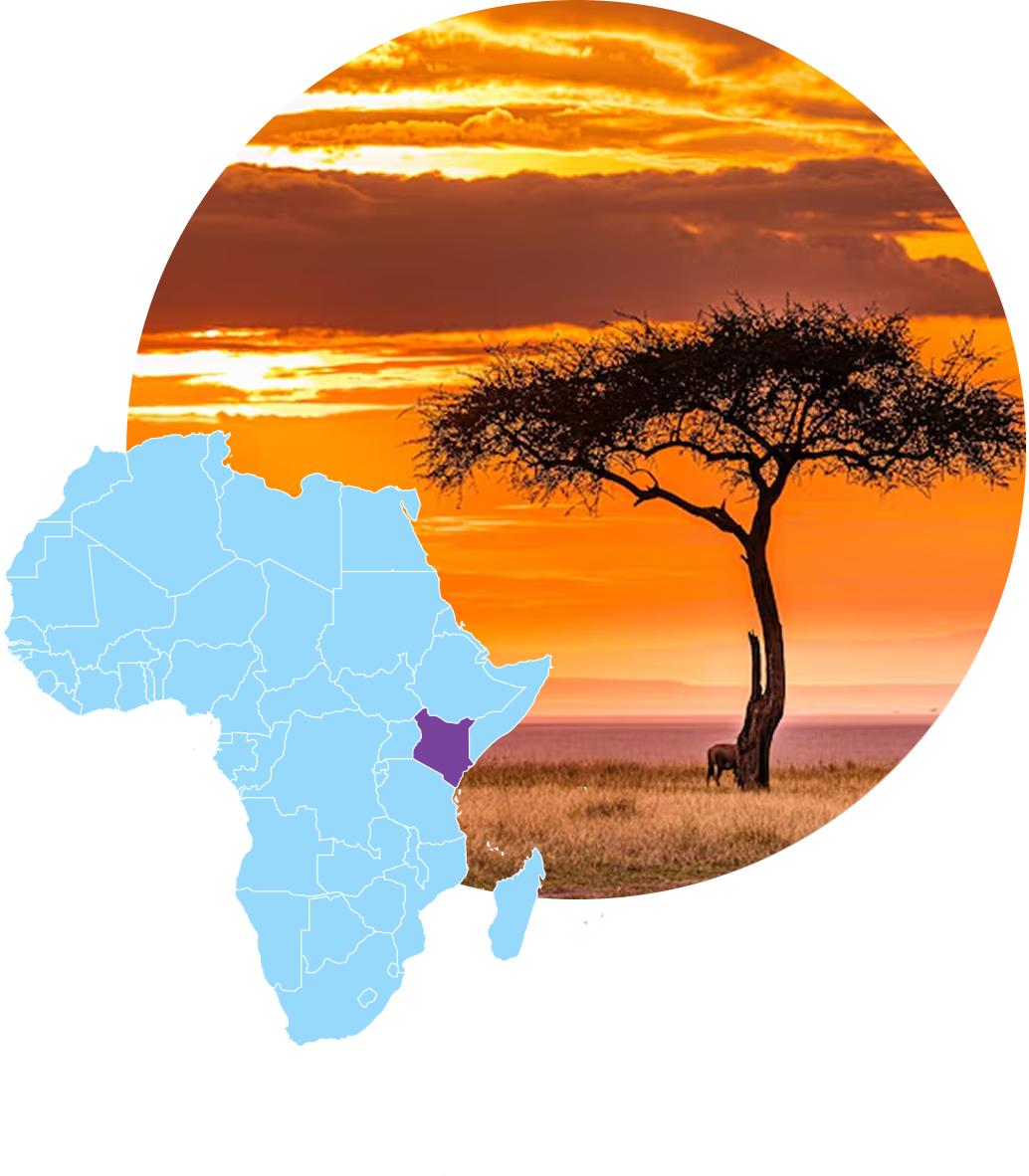
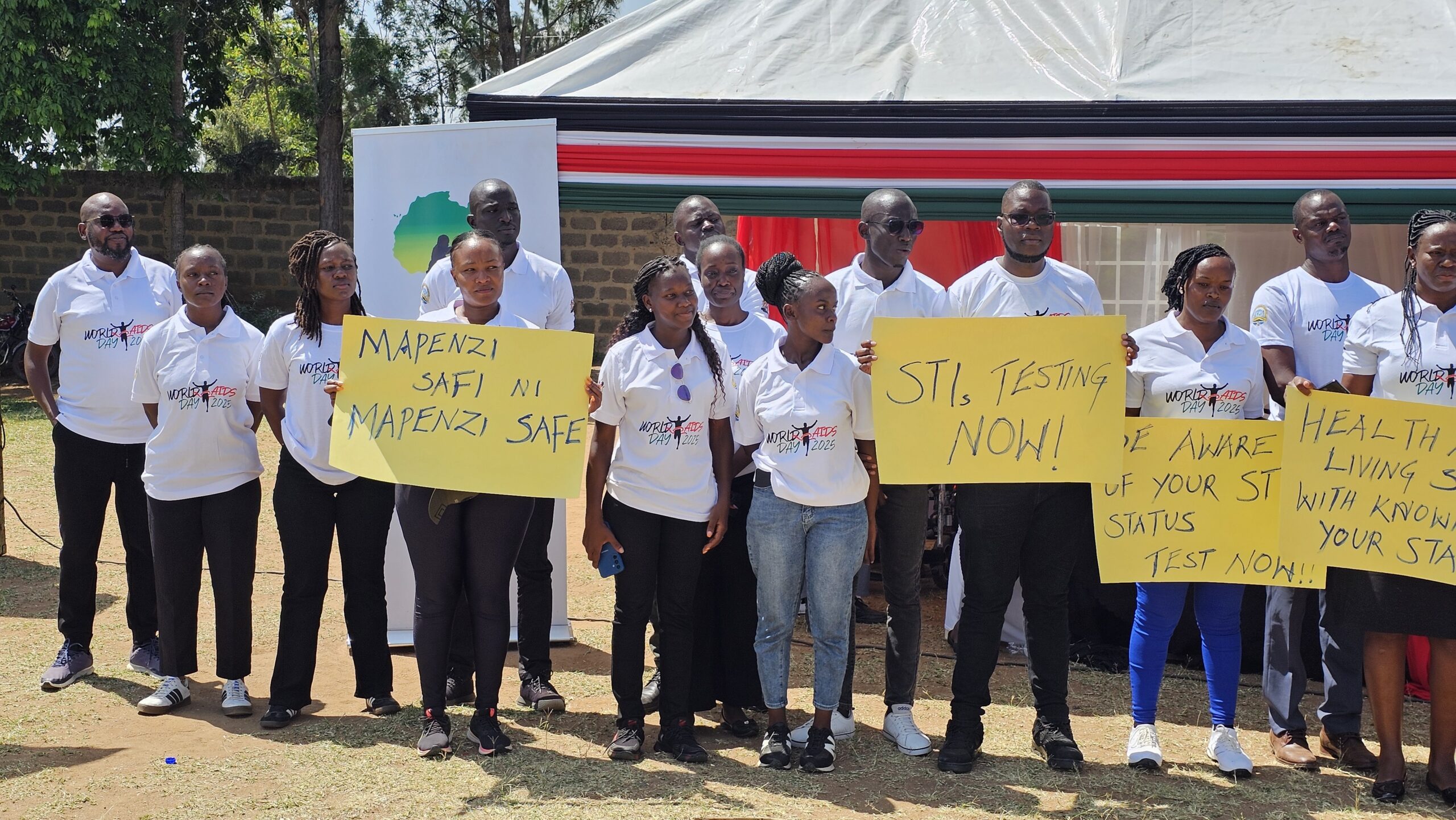
Kenya Advocacy Agenda
In Kenya, expanded diagnostics, stronger health workforce capacity, community leadership and data-driven action are needed to elevate STIs as a national health priority.

About STIs in Kenya
Explore the data on prevalence, health impacts and the factors shaping Kenya’s STI landscape.
Kenya Resources
Explore resources, data and tools to support STI advocacy in Kenya. These links highlight the burden of STIs, share evidence and policy updates and provide information to strengthen prevention, improve care and keep STIs a national health priority.
-
Kenya Universal Health Coverage Policy 2020 – 2030: Accelerating Attainment of Universal Health Coverage
View Resource -
Prevalence of genital and anorectal chlamydia trachomatis in Kenya by risk groups: a systematic review and meta-analysis
View Resource -
Prevalence of five curable sexually transmitted infections and associated risk factors among tertiary student men who have sex with men in Nairobi, Kenya: a respondent-driven sampling survey
View Resource -
Challenges and Solutions to STI Control in the Era of HIV and STI Prophylaxis
View Resource -
Kenya Population-based HIV Impact Assessment, KENPHIA 2018
View Resource -
High prevalence and incidence of curable sexually transmitted infections among young women using oral HIV pre-exposure prophylaxis in sub-Saharan Africa: results from the INSIGHT Cohort study
View Resource -
Ensuring Access and Uptake of HIV Prevention Among Key Populations in Kenya: The K-PAP Project
View Resource