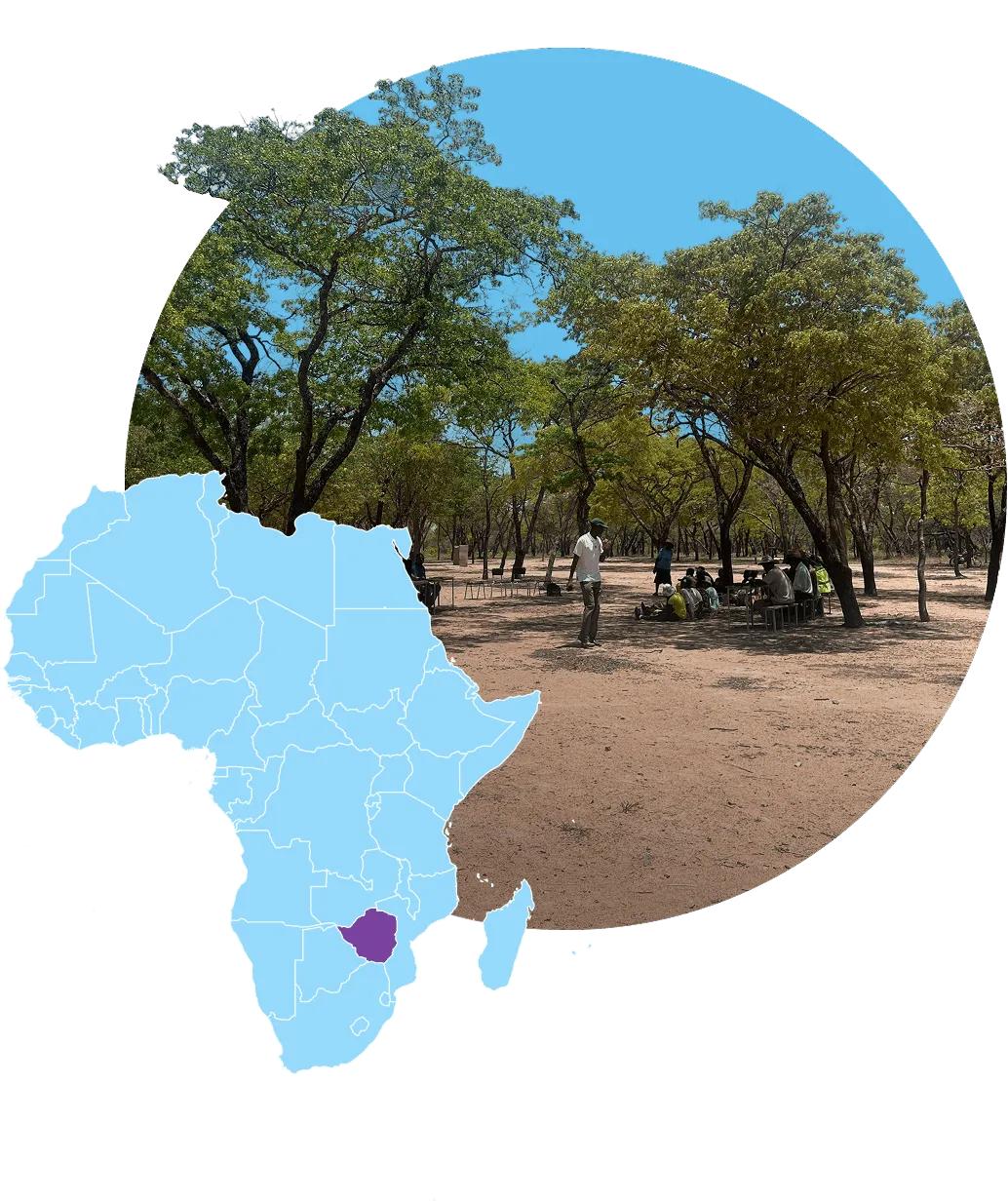
STI Advocacy in Zimbabwe
In Zimbabwe, STIs receive limited policy attention despite having significant health impacts. Reliance on syndromic management, gaps in workforce capacity and insufficient community engagement weaken STI prevention and care and could slow or limit equitable access to new STI prevention and treatment tools.
- 1 in 4 women who present with vaginal discharge in primary health clinics have gonorrhea
- 20% of young people (18-24 yrs) have a chlamydia, gonorrhea, and trichomoniasis infection
- 1 Syphillis is the only STI with widely available testing apart from HIV

Zimbabwe Advocacy Agenda
In Zimbabwe, clearer national STI priorities, strengthened healthcare worker training and greater integration of community leadership in policy processes will be essential to improving STI prevention, diagnosis and care.

About STIs in Zimbabwe
Explore the data on prevalence, health impacts and the factors shaping Zimbabwe’s STI landscape.
Zimbabwe Partners
Resources
New STI Resources: Strengthening STI Diagnosis and Care

The Advocates’ Guide to Syndromic Management
DoxyPEP Beyond the Guidelines: Turning Evidence Into Equitable Access
STI Prevalence Atlas
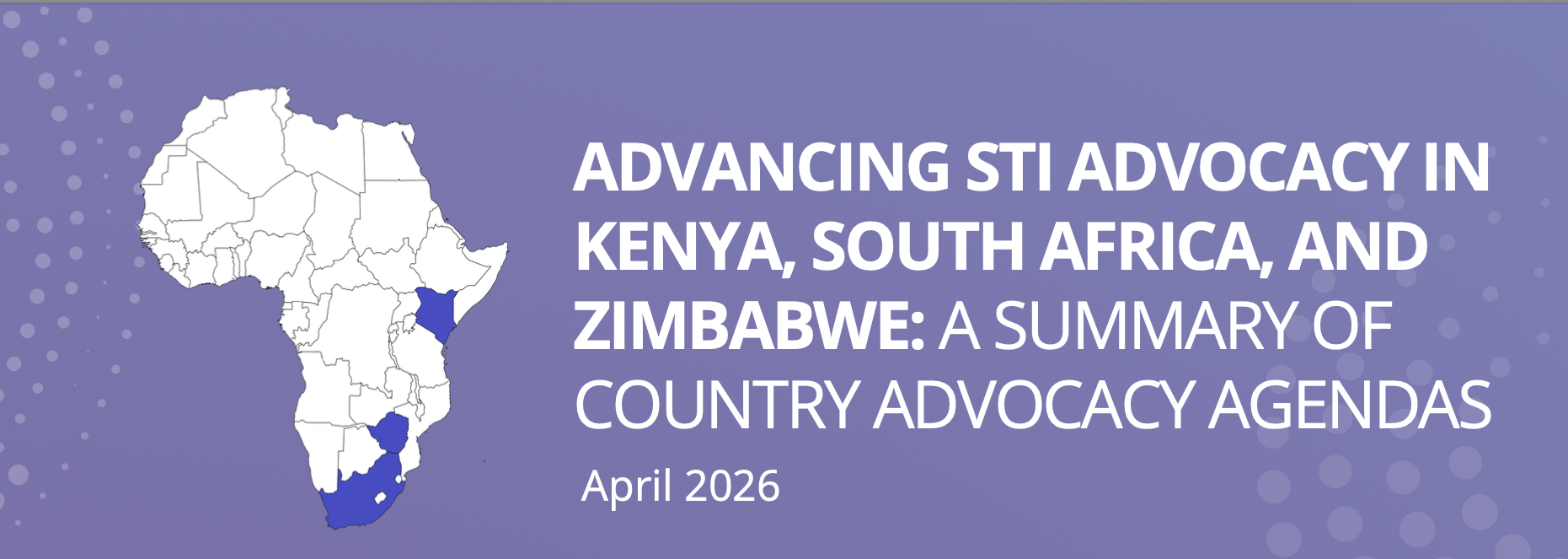
AVAC and Partners Launch New STI Advocacy Agendas in Kenya, South Africa and Zimbabwe
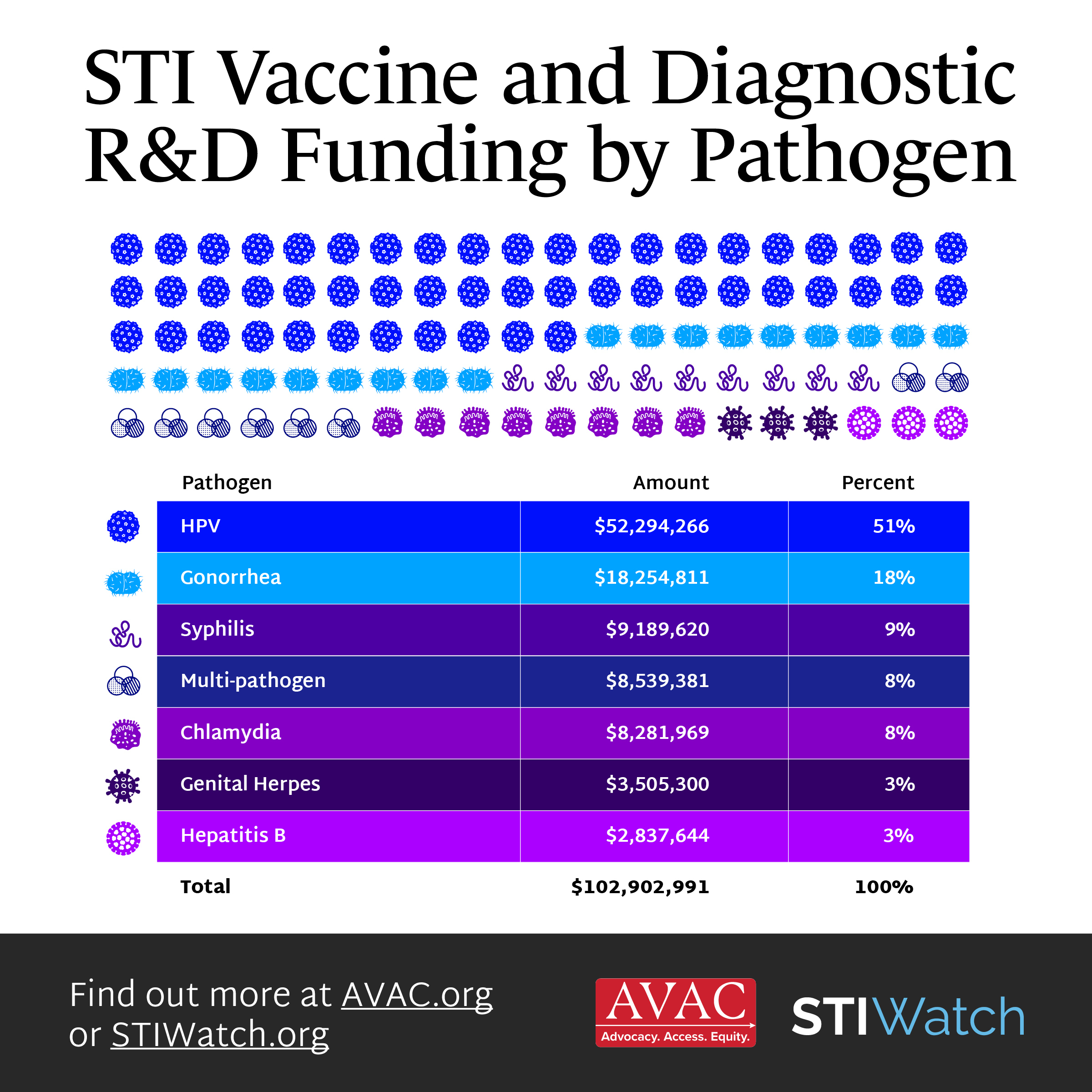
STIWatch Resource Tracking
STIWatch March 2026 Newsletter
Looking Back at 2025 and What We’re Watching in 2026
STIWatch November Newsletter
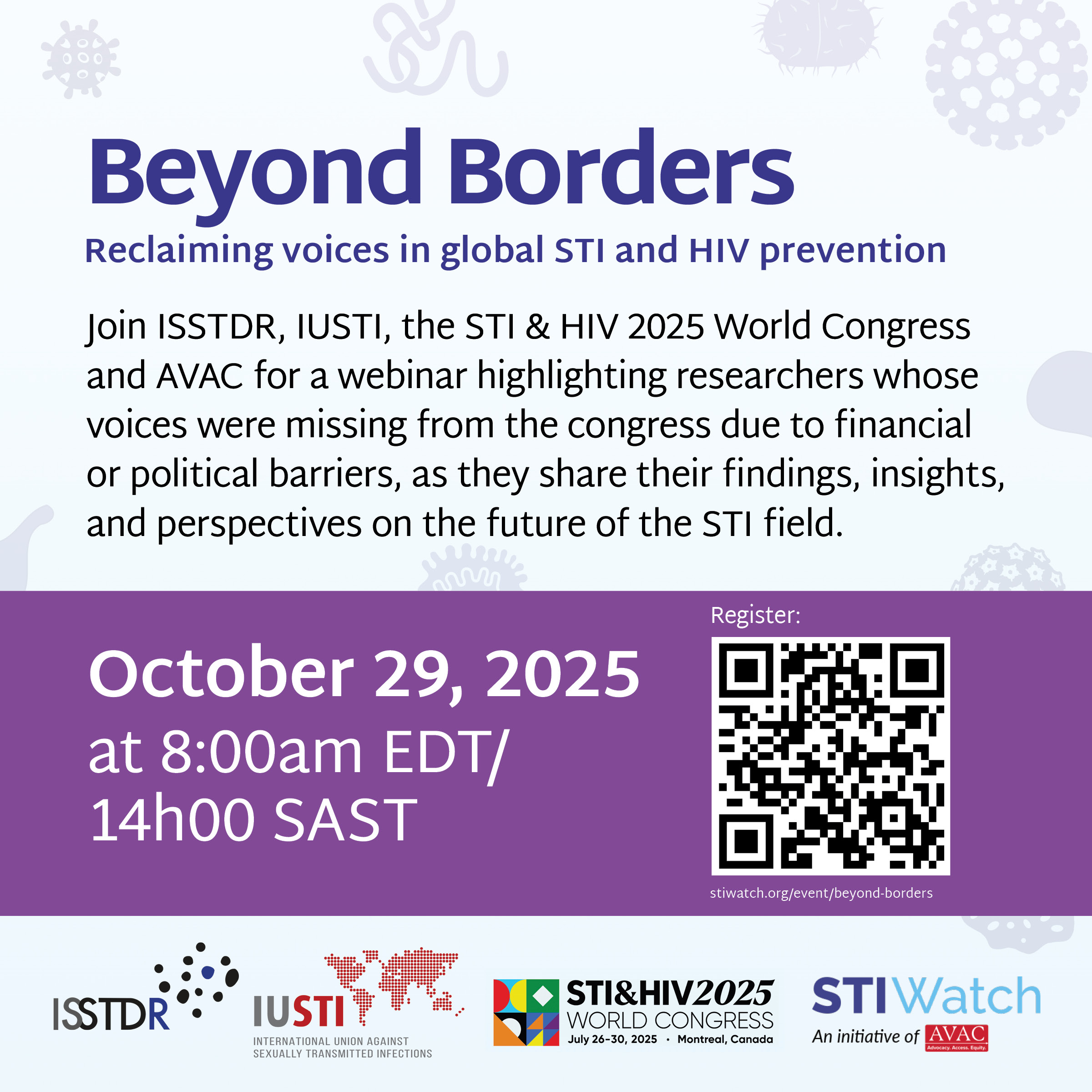
Beyond Borders