STI World Congress Insights, Impact of Defunding Research, New WHO STI Guidelines and What’s Needed Most
The STI field is grappling with the effects of recent US government funding and policy shifts that have disrupted STI research, surveillance, and prevention programs worldwide. Yet, alongside these challenging developments, innovation and advocacy continue to progress. This update from STIWatch features insights from July’s STI & HIV 2025 World Congress in Montreal, powerful perspectives from African advocacy partners on what’s needed most, and new developments including World Health Organization (WHO) guidance on STIs and review on policy implementation.
The Real-World Impact of Defunding STI Research

The US Administration’s funding cuts and policy shifts are reshaping the global public health landscape in profound ways. While many of these changes have drawn significant media attention, the impact on STI research and prevention has remained largely overlooked, even though the consequences are dire. Massive cuts to HHS, including the National Institutes of Health (NIH), Centers for Disease Control and Prevention (CDC), and other domestic agencies, are dealing devastating blows to STI surveillance, prevention, and research and development efforts. The suspension of foreign assistance and the withdrawal of the US from WHO only exacerbate the devastation.
In response, seven researchers from leading institutions, whose work has focused on improving STI prevention and diagnostics to ensure today’s tools reach the people most impacted, shared the impact these funding cuts have taken on their research and the communities they serve.
Read AVAC’s Alison Footman’s opinion editorial in the BodyPro, which documents it all.
Key Takeaways from the STI & HIV 2025 World Congress
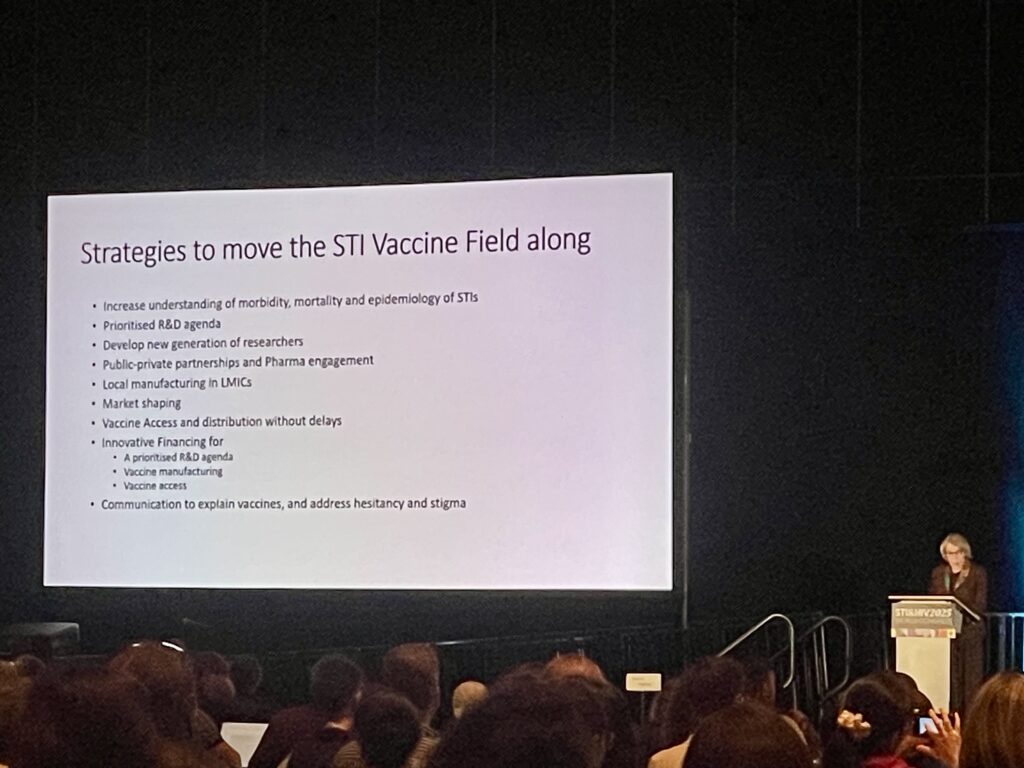
The STI & HIV 2025 World Congress brought together over 1,400 researchers, healthcare providers, implementers, advocates, funders and industry representatives in Montreal this past July, where they shared urgent insights, promising innovations, and calls to action. The gathering came at a pivotal moment when STI rates are rising globally, highlighting the importance of people-centered approaches, addressing stigma, and the need for new vaccines and diagnostics. All this amid massive disruptions caused by shifts in US policies and funding and decreased investments from other funders. As Jeanne Marrazzo, the NIAID Director currently on administrative leave who spoke in her personal capacity said in the closing plenary, “progress is possible, but only with clear-eyed urgency and coordinated commitment.”
Moving the Global STI Response Forward: Insights from Advocacy Partners
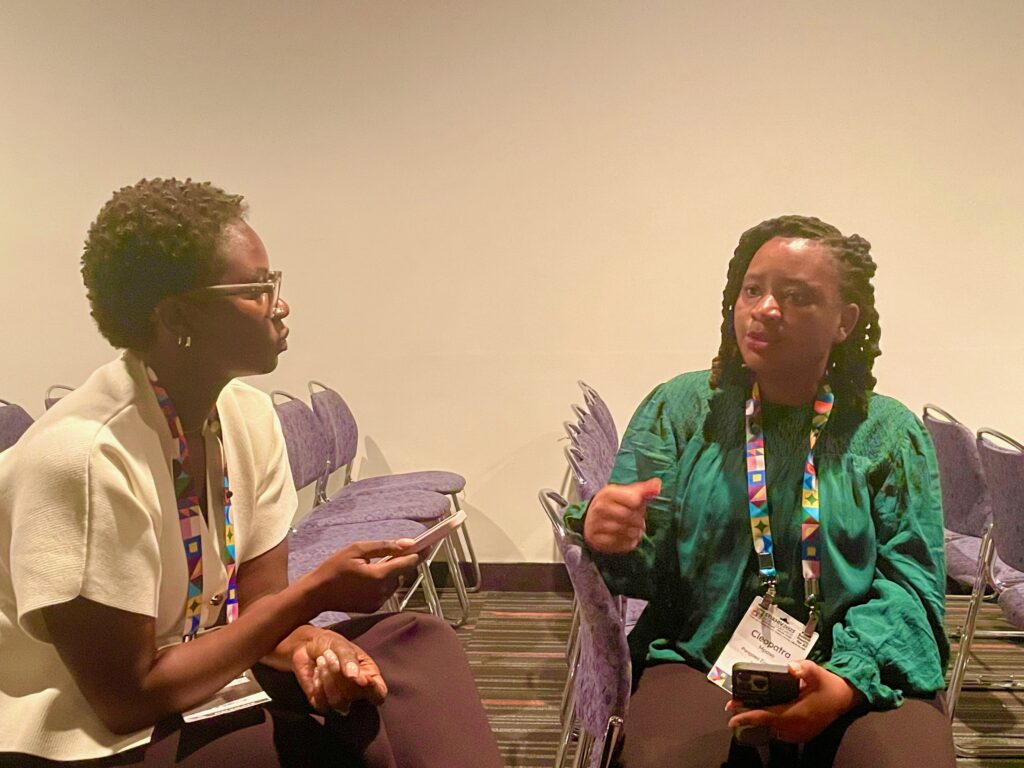
In Montreal, AVAC connected with STI advocacy leaders including Cleopatra Mpaso of Pangaea Zimbabwe, Mandisa Mdingi of the Foundation for Professional Development in South Africa, and Felix Mogaka of the Kenya Medical Research Institute to capture their perspectives on the future of STI prevention, diagnostics, and care. Mpaso, Mdingi, and Mogaka identified challenges that are important in moving the STI response forward: unstable funding and the need to translate guidelines into action; a lack of clear, community-driven data to push governments beyond syndromic management toward diagnostic testing; ongoing stigma that discourages people from seeking services; and the exclusion of community voices from shaping research agendas.
A Q&A with Alison Footman

AVAC’s Senior Program Manager for STIs, Dr. Alison Footman, is currently in Iceland for a Fulbright Specialist Project at the Directorate of Health, working with local leaders to address rising STI rates and strengthen prevention strategies. In this Q&A, Footman shares her perspective on what’s next for STI research and programs.
What We’re Reading
- WHO expands guidance on sexually transmitted infections and reviews country progress on policy implementation: The WHO released new guidance on STIs alongside data on national policy implementation. These guidelines aim to strengthen STI prevention, screening, diagnosis, and treatment, especially in high-burden, resource-limited settings, while also tracking both progress and persistent gaps in how countries put STI policies into action.
- Racing against antibiotic resistance: This in-depth piece highlights the alarming rate of antibiotic resistance, especially among STIs like gonorrhea. As antibiotic resistance increases, research funding to better understand resistance patterns and develop new treatments has declined due to NIH grant cancellations. Improve diagnostics and vaccines could help to better address and prevent antimicrobial resistance. See Impact Global Health’s new report: Irresistible: developing new solutions for antimicrobial resistant STIs.
- What $2.5 billion can do: Four innovations advancing women’s health: The Gates Foundation’s recent $2.5 billion R&D commitment to women’s health through 2030 includes four groundbreaking innovations, self-administered contraceptive path, rapid STI diagnostics, AI-enabled ultrasound, and vaginal health therapies that can restore and maintain an optimal vaginal environment. This commitment signals that women’s health is important and new solutions are on the horizon.